

The internet is evolving rapidly, and traditional networking systems often struggle to keep up with rising security and performance demands. That’s where the IP2 Network enters the picture. It is designed as an advanced networking platform that improves speed, security, and reliability for modern digital environments. Unlike older systems, it relies on a decentralized network architecture that distributes traffic across multiple nodes, reducing failures and improving resilience.
Many experts believe the IP2 Network can redefine how organizations achieve secure digital connectivity while protecting sensitive data. With features like AI-based routing and end-to-end encryption, this technology offers a smarter way to manage online communication, cloud services, and connected devices in today’s rapidly expanding digital world.
What Is IP2 Network and How Does It Work?
When people ask what is IP2 network, they’re really asking about the next evolution of internet infrastructure. The IP2 Network is a modern communication framework that improves security, routing intelligence, and performance. Unlike traditional networks, it relies on AI-based routing and a decentralized network architecture that spreads traffic across many nodes. This design supports secure internet infrastructure and strengthens IP2 network security across distributed systems.
Understanding how IP2 network works begins with intelligent routing and distributed connectivity. Data travels through a peer-to-peer networking system where intelligent routing algorithms analyze traffic patterns in real time. These systems use predictive analytics networking and network traffic management to choose the fastest path. The result is stronger online privacy protection, lower latency, and reliable network performance optimization for modern internet services.
Core Components of an IP2 Network
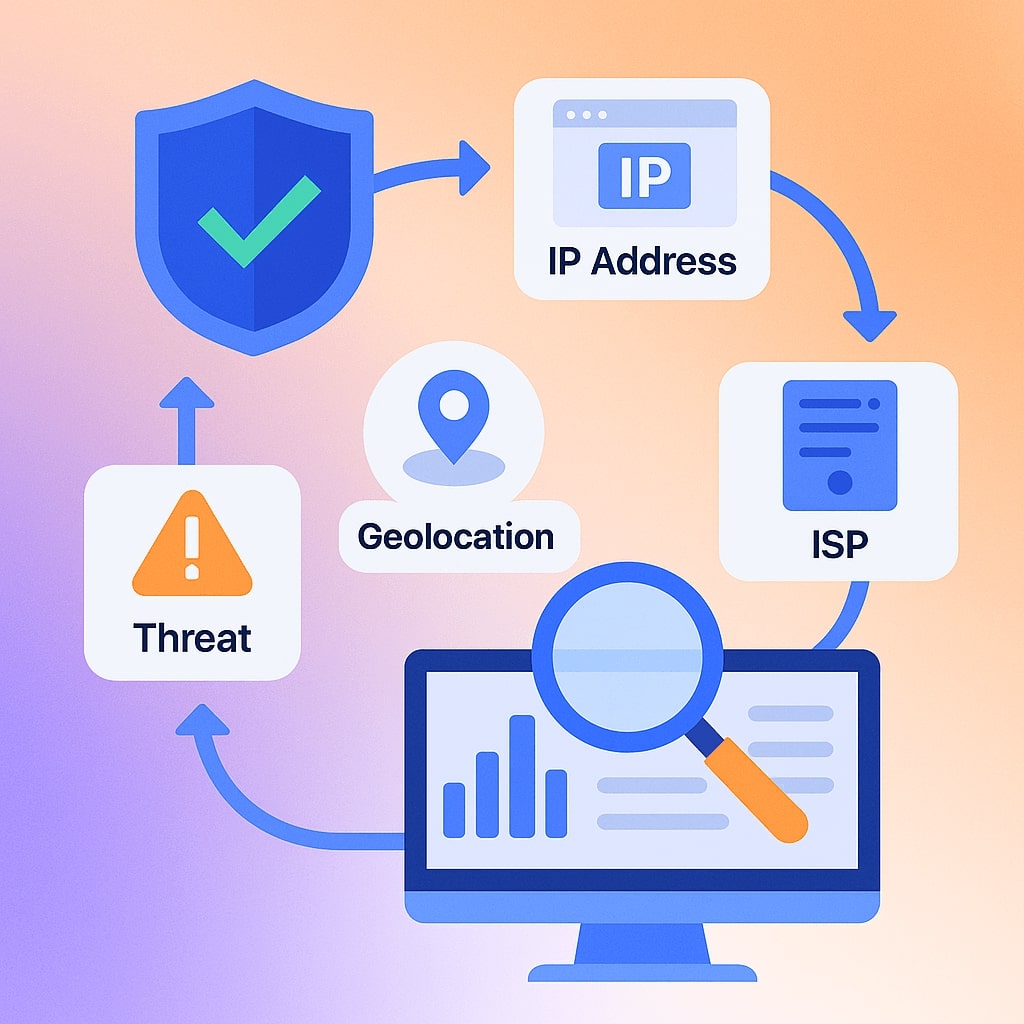
Every powerful network depends on a set of essential building blocks. The IP2 Network relies on multiple systems working together to deliver speed and security. At the core sits a decentralized node system that forms a decentralized internet network capable of distributing data globally. These nodes exchange IP intelligence data and cooperate through a secure peer-to-peer networking system, ensuring smooth communication without central control.
Another critical component involves encryption and analytics. Modern IP2 security features combine end-to-end encryption, IP masking technology, and advanced network security solutions to protect sensitive data. Meanwhile, analytics engines monitor activity using predictive analytics networking tools that detect suspicious patterns. These systems enable organizations to maintain secure cloud connectivity while protecting personal information and corporate networks.
Key Features of IP2 Network
The design of the IP2 introduces features that dramatically improve modern connectivity. One of the most notable innovations is AI-based routing, which continuously evaluates traffic conditions. Instead of relying on fixed paths, the system adjusts dynamically using intelligent routing algorithms. This process boosts network performance optimization and ensures consistent QoS network optimization even during heavy traffic periods.
Security and scalability also stand out among the most important benefits of IP2 systems. Built-in encryption layers support IP2 network privacy protection, while distributed nodes strengthen IP2 for cybersecurity environments. These networks are also built with network scalability solutions that allow companies to expand without rebuilding infrastructure. As a result, businesses and users experience stable and reliable secure digital connectivity.
Technology Behind IP2 Network
Modern technologies power the intelligence behind the IP2 . Artificial intelligence plays a major role in creating an AI powered networking system capable of optimizing traffic flow automatically. By combining predictive analytics networking and machine learning models, the network identifies congestion before it occurs. These tools dramatically improve network traffic management while reducing service interruptions.
Another layer of innovation comes from distributed systems and encryption frameworks. The network operates through a decentralized network architecture supported by advanced cryptographic systems. These tools ensure end-to-end encryption, protect identities with IP masking technology, and strengthen online privacy protection. Together they form a powerful foundation for a modern secure internet infrastructure capable of supporting future digital services.
IP2 Network vs Traditional Networks (IPv4 and IPv6)

Understanding IP2 network vs IPv4 IPv6 comparisons helps explain why many experts believe the technology represents the next stage of internet evolution. Traditional modern internet protocols such as IPv4 and IPv6 rely heavily on centralized routing systems. In contrast, the IP2 uses AI-based routing and distributed nodes to create a resilient decentralized internet network that adapts automatically.
Performance improvements become clear when comparing the technologies side by side. The table below highlights key differences between legacy systems and the new advanced networking platform.
| Feature | IPv4 / IPv6 Networks | IP2 Network |
| Routing System | Static routing paths | AI-based routing |
| Security | External security tools | Built-in IP2 network security |
| Scalability | Limited address handling | Powerful network scalability solutions |
| Privacy | Basic protection | Advanced IP2 network privacy protection |
| Performance | Higher latency | Optimized network performance optimization |
Another comparison often discussed involves IP2 network vs VPN solutions. VPN services protect traffic but rely on centralized servers. The IP2 distributes traffic across nodes, creating a stronger IP2 network for cybersecurity environment.
Benefits of Using IP2 Network for Businesses and Individuals
The benefits of IP2 network systems extend across industries and everyday internet use. Businesses gain faster communication channels, stronger encryption, and improved network resilience. Many companies use the IP2 for businesses because it enables secure communication, protects data transfers, and strengthens secure cloud connectivity across distributed teams.
Individual users also gain valuable advantages. The system improves online privacy protection through IP masking technology and end-to-end encryption. This ensures sensitive data stays protected while browsing or communicating online. The network also supports network scalability solutions, allowing digital platforms and services to grow while maintaining consistent secure digital connectivity.
Real-World Applications of IP2 Network
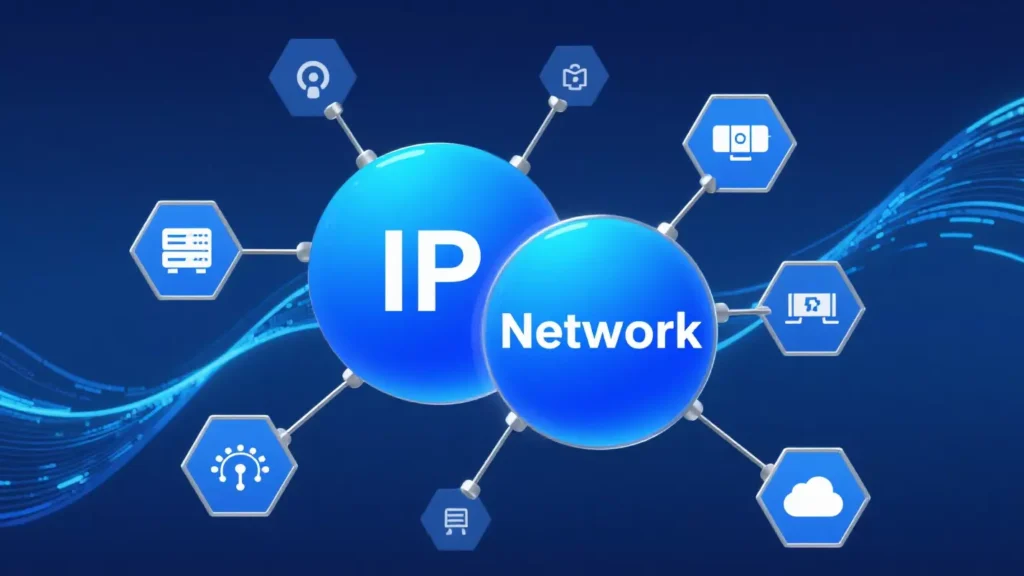
The growing number of IP2 network applications shows how the technology fits into modern digital ecosystems. One major use case appears in smart infrastructure. Cities deploying connected sensors rely on strong networks to support IP2 network for IoT devices. This environment supports large-scale IoT network infrastructure that connects traffic systems, energy grids, and smart monitoring platforms.
Enterprise technology also benefits from the IP2 Network. Cloud platforms depend on stable and protected communication systems. Organizations adopt IP2 for cybersecurity solutions to protect customer data and maintain secure cloud connectivity. Financial institutions, healthcare providers, and online services increasingly use these advanced network security solutions to secure transactions and communications.
Challenges in Implementing IP2 Network
Despite its advantages, adopting the IP2 involves several challenges. Organizations often face integration issues when transitioning from traditional modern internet protocols to a newer advanced networking platform. Existing systems may require upgrades to support AI-based routing or distributed infrastructure. These transitions require planning, expertise, and careful infrastructure migration.
Another challenge involves training and operational knowledge. IT teams must learn how to manage systems built on predictive analytics networking and network traffic management tools. Companies must also ensure compatibility with current services while implementing stronger IP2 network security features. However, most experts believe the long-term improvements outweigh the temporary adoption difficulties.
Future Trends and Developments in IP2 Network
The future of IP2 network technology looks promising as global connectivity demands increase. Engineers are already exploring deeper integration with 5G and edge computing systems. These technologies could strengthen network performance optimization and enable faster communication for next-generation applications.
Future development may also focus on stronger cybersecurity frameworks. Researchers expect new advanced network security solutions built around AI monitoring and quantum-resistant encryption. These improvements could enhance IP2 network privacy protection and create a more reliable secure internet infrastructure capable of supporting emerging technologies like autonomous vehicles and large-scale IoT network infrastructure.
FAQs
What is a IP2 network?
An IP2 network is an advanced networking system that uses decentralized infrastructure, AI-driven routing, and encryption to improve security, speed, and scalability for modern internet communication.
What are the benefits of using IP2?
The main benefits of IP2 include stronger security, faster data routing, better privacy protection, and scalable connectivity for businesses, cloud systems, and IoT devices.
Is IP2 safe?
Yes, IP2 is considered safe because it uses encryption, decentralized nodes, and intelligent monitoring to protect data and reduce cyberattack risks.
Is IP2 a new technology?
Yes, IP2 is a relatively new networking concept designed to improve traditional internet protocols by adding AI, decentralized architecture, and advanced security features.
Is IP2 free to use?
Some IP2-based tools or services may offer free access, but many professional platforms charge fees depending on network usage and advanced features.
Is I2P a darknet?
Yes, I2P (Invisible Internet Project) is often considered part of the darknet because it allows anonymous communication and hidden services within a private network.
Conclusion
The IP2 Network represents a significant step forward in modern networking design. Its combination of AI-based routing, distributed nodes, and encryption technologies creates a powerful environment for secure communication. These systems strengthen IP2 network security, improve network performance optimization, and enable scalable infrastructure for growing digital ecosystems.
As internet usage continues to expand, technologies like the IP2 Network will play a crucial role in shaping future connectivity. Businesses, governments, and technology innovators are already exploring how this advanced networking platform can support secure communication, smart infrastructure, and global digital collaboration. With continued innovation, the IP2 Network could redefine the way the world connects online.
Meta description
Learn what an IP2 network is, how it works, and its benefits for security, privacy, and scalable digital connectivity in modern internet systems.