
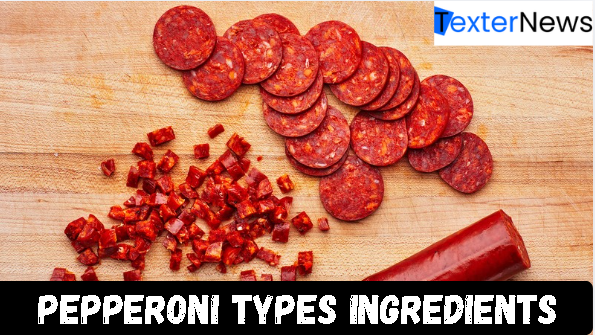

Let’s be honest for a second. When you think about ordering a pizza, what’s the first topping that pops into your head? For most of us, it’s not just any topping; it’s the king of toppings. It’s the slightly greasy, perfectly crispy, wonderfully spicy circle of meat we all know and love. We’re talking about pepperoni, of course.
It’s everywhere. It’s on our pizzas, stuffed into sandwiches, baked into rolls, and even fried up as a crunchy snack. But have you ever stopped to wonder where this cured sausage actually came from? Or what goes into making it? Is it really Italian, or is it something else entirely? Let’s pull up a chair and dig into the story of the deli meat that somehow became a global superstar.
What Is Pepperoni, Really?
If you had to describe to someone who had never seen it before, you’d probably talk about those thin slices, the vibrant red color, and that distinct smoky, spicy kick. It’s a cured sausage, yes, but it’s a specific type of salami that has carved out its own identity.
Definition and Origin: The Great Italian-American Debate
Here’s a fun fact that might surprise you: isn’t really Italian. Well, not old-world Italian. If you hop on a plane to Rome and ask for a pepperoni pizza, you’re going to get a very confused look from the locals. In Italy, “peperoni” (with one ‘p’) actually means bell peppers.
The pepperoni we know and crave is a proud Italian-American creation. Back in the late 1800s and early 1900s, Italian immigrants arrived in the United States with their rich culinary traditions. They had their beloved salami and various cured sausages, but they started adapting them using local ingredients and American tastes. By the early 20th century, pizzerias in places like New York City and New Haven were looking for a durable, flavorful topping that could stand up to the heat of a coal-fired oven. They began experimenting with a soft, smoked sausage made from a mix of pork and beef. And just like that, a star was born.
Why Pepperoni Took Over the World
So, why did this specific topping become the undisputed champion? It’s not an accident. First, there’s the fat factor. As cooks, the fat renders out, creating those little grease pools that carry intense flavor. When the edges of those slices get crispy, you get that perfect textural contrast—chewy in the middle, crunchy on the rim.
Second, it’s incredibly versatile. Sure, it’s the star of a classic pepperoni pizza, but it also plays well with others. You can toss it in a pepperoni pasta for a quick weeknight dinner, or layer it on a hearty pepperoni sandwich with some provolone and giardiniera. And let’s not forget the appetizer potential: baked pepperoni chips are a low-carb dream, offering a salty, crunchy alternative to crackers.
What’s Actually in That Slice? The Making of Pepperoni
If you’ve ever looked at the ingredient list on a pack of pepperoni slices, you might have seen a list that reads like a short novel. But at its heart, the recipe is pretty straightforward, combining a few key elements to create that signature flavor.
Main Ingredients: A Mix of Meats and Spices
Most traditional pepperoni is a blend of pork and beef. The pork provides a softer texture and a sweeter flavor, while the beef gives it that characteristic firm bite. You’ll also find versions that are just one or the other, like all-beef pepperoni or all-pork pepperoni, and even turkey pepperoni for those looking for a leaner option. These days, you can even find halal pepperoni, which is made without any pork products, usually from beef or turkey, making it accessible to a much wider audience.
Once you have the meat base, it’s all about the seasoning. This is where the magic happens. The meat is ground up and mixed with a blend of spices that almost always includes paprika (for that red color and mild sweetness), garlic powder, and black pepper. But the ingredient that truly defines pepperoni is the one that gives it its heat: crushed red pepper flakes or cayenne pepper. That spicy pepperoni kick is no joke, and it’s what sets it apart from other cured sausages like standard salami.
The Curing Process and That Signature Red Color
Turning that spiced meat paste into a firm, shelf-stable sausage requires a process called curing. This involves adding a curing salt—typically sodium nitrite or nitrate. This isn’t just for show; it serves a few critical purposes. It prevents the growth of nasty bacteria (like botulism), it contributes to that tangy, slightly tangy flavor we associate with cured meats, and it helps the meat retain its pinkish-red color.
Without these curing agents, the sausage would turn an unappetizing grey when cooked. So, while you might hear concerns about sodium in pepperoni, it’s worth understanding that it’s a functional part of the process that keeps the food safe and looking appetizing.
After the meat is stuffed into casings, it’s typically hung to dry for a period of time to develop flavor and lose moisture. Finally, many commercial pepperonis are smoked, which adds another layer of complexity to the flavor profile. The result is that firm, semi-soft texture that’s easy to slice and perfect for cooking.
Pepperoni in the Kitchen: Beyond the Pizza Box
We’ve established that pepperoni is great on pizza, but that’s really just scratching the surface. Because it’s a fully cooked, cured product, it’s incredibly forgiving and easy to work with in the kitchen.
Getting Creative with Cooking
One of the most popular trends in recent years is learning how to cook pepperoni to get it extra crispy. You’ve probably seen videos of people microwaving a pile of pepperoni between paper towels to make pepperoni chips. It works like a charm, and you get these little disks of crunchy, salty, spicy goodness perfect for dipping in marinara or sprinkling over a salad.
But the real star of the show might be the pepperoni roll. If you’ve never had one, imagine a soft, fluffy bread roll stuffed with pepperoni and sometimes cheese, baked until everything is melty and perfect. It’s a staple in some parts of the U.S., and once you try one, you’ll understand why. It’s the ultimate portable snack.
Of course, you can’t forget the classics. A simple pepperoni sandwich on a good hoagie roll with some mozzarella cheese, toasted under the broiler, is hard to beat. And for a quick and easy dinner, tossing crispy pepperoni into a simple tomato sauce for a pepperoni pasta adds a depth of flavor that bacon just can’t match. It infuses the whole dish with a subtle smokiness.
The Health Conversation: Calories, Protein, and Processed Meat
Okay, let’s address the elephant in the room. We love the taste, but we also know we can’t live on it exclusively. Pepperoni falls into the category of processed meat, which means it’s something to enjoy in moderation.
What’s on the Nutrition Label?
If you’re counting, you might be curious about pepperoni calories. Because it’s a cured and dried sausage, it’s relatively calorie-dense. A single ounce (about 15 slices) can have somewhere around 130-140 calories. A good chunk of those calories come from fat, which is where a lot of the flavor lives.
People also often wonder about the protein in pepperoni. The good news is that it does offer a decent amount. That same one-ounce serving might provide about 5-6 grams of protein. It’s not a health food by any means, but it’s not completely empty calories, either. It will give you a little staying power.
Moderation and Mindfulness
The main health considerations usually revolve around two things: the sodium content and the fact that it’s processed.
As we mentioned earlier, sodium in pepperoni is a necessary part of its preservation. However, it does mean that the sodium levels can be quite high. If you’re watching your salt intake, it’s definitely something to be mindful of. This is part of the bigger question people ask: is pepperoni healthy? It probably won’t ever make it onto a “superfood” list. It’s a flavorful, indulgent treat.
Thinking of it that way helps put it in perspective. It’s part of a balanced diet, not the foundation of one. You can enjoy the spicy kick on your pizza or the satisfying crunch of a crispy slice in your sandwich, knowing that it’s a wonderful addition to a meal, not the main nutritional event. After all, food is about enjoyment as much as it is about fuel. And few things are as enjoyable as that first bite of a hot, cheesy slice of pepperoni pizza.