
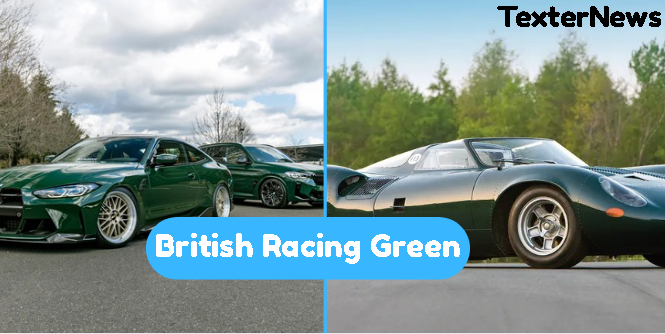

introduction
There are car colors, and then there is british racing green. It is not just a paint choice sitting quietly on a showroom chart. It carries memory, rivalry, pride, and more than a century of speed. For many enthusiasts, the shade feels less like a color and more like a statement — quiet, confident, and unmistakably tied to heritage.
The british racing green color has long been associated with performance and elegance. Even people who do not follow motorsport closely often recognize it the moment they see it. That deep, refined tone — somewhere between forest and emerald — feels both classic and powerful.
What makes it endure? The answer sits in its roots, its symbolism, and the way it continues to adapt without losing its soul.
what is british racing green?
At its core, british racing green is a distinctive dark green car color traditionally used by British racing teams. But describing it that simply does not quite capture its personality.
The racing green shade typically leans toward a deep, rich green with subtle blue undertones. It is darker than standard green finishes, giving it a refined and almost regal feel. Over time, manufacturers have created slight variations, yet the identity remains consistent.
From a technical standpoint, enthusiasts often search for the brg color code or the british racing green hex code to replicate the exact tone for restoration projects or custom builds. There is no single universal code — different brands have their own interpretations — but the visual spirit stays intact.
Whether applied as glossy british racing green paint on a vintage coupe or in a modern metallic finish, the color always manages to look intentional rather than flashy.
the origins in early motorsport
To understand its importance, one must step back into early grand prix racing. In the early days of international competition, teams represented their countries not just with flags, but with color.
These were known as national racing colors. Italy raced in red. France favored blue. Germany would later become associated with silver. Britain needed its own identity.
That defining moment arrived during the 1903 gordon bennett cup. The race could not be held in England due to legal speed restrictions at the time, so it took place in Ireland. As a gesture of appreciation to the host country, the British team chose green — a nod to the ireland racing color origin.
That decision shaped history. From that race forward, green became the emblem of British competition.
british motorsport history and cultural identity
As decades passed, the uk racing tradition grew stronger. British manufacturers and private teams carried the color into countless competitions. The shade became deeply woven into british motorsport history, appearing on machines that would define eras.
It was not loud. It did not demand attention. Yet on the track, it symbolized discipline and quiet confidence.
Over time, british racing green joined the ranks of traditional racing colors that still influence motorsport branding today. Even after national colors stopped being mandatory in Formula One, the association remained powerful. The link between Britain and green had already become permanent.
from racetrack to showroom
What is fascinating is how naturally the color transitioned from competition to consumer appeal. It became one of the most respected classic british car colors, particularly on performance and luxury models.
There is something about a deep green finish that softens aggressive body lines without reducing their presence. It balances power with restraint. On vintage roadsters, it feels romantic. On modern performance cars, it feels premium.
Designers often describe british racing green paint as versatile. It pairs beautifully with tan leather interiors, polished chrome, or black trim. The result feels cohesive, not forced.
And that may explain its longevity. Trends come and go. Bright colors surge in popularity and then fade. But this racing green shade persists, evolving slightly while staying true to its character.
why it still matters today
Part of its endurance lies in symbolism. British racing green represents more than speed. It reflects craftsmanship, heritage, and national pride. In a world of rapidly changing automotive design trends, that consistency feels reassuring.
Collectors continue to seek out the shade. Restoration specialists carefully match the british racing green hex code to preserve authenticity. Manufacturers still release limited editions in homage to the past.
Even outside of cars, the influence can be seen in fashion, branding, and interior design. The tone carries an understated luxury that never feels overdone.
And perhaps that is the secret. British racing green does not try too hard. It does not shout. It simply shows up with quiet authority — the kind built over decades of competition, culture, and identity.