

Digital writing has transformed how we interact with technology, and https //www.microsoft.com /ink is at the center of this change. This official Microsoft resource explains how Microsoft Ink works seamlessly across Windows devices, allowing users to write, draw, and annotate naturally. With Windows Ink Workspace, your digital handwriting tools become integrated into apps like Word, PowerPoint, and Microsoft Whiteboard collaboration, making note-taking and creative work effortless.
From students capturing ideas to professionals streamlining workflows, pen-enabled Windows devices harness the power of Microsoft digital pen support. This guide will explore every feature, use case, and benefit of Microsoft Ink for modern digital productivity.
https //www.microsoft.com /ink What Is and What Does Microsoft Ink Mean?
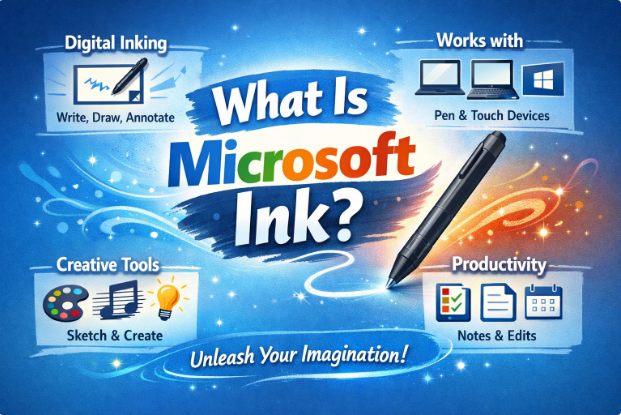
Microsoft Ink is a digital handwriting system built into Windows. It allows you to write, draw, and annotate directly on your screen using a touchscreen stylus technology. Unlike standard drawing tools, Microsoft inking features work across apps. https //www.microsoft.com /ink
For example, you can take notes in Word, sketch in PowerPoint, or brainstorm in Microsoft Whiteboard collaboration. Pen input Windows devices recognize pressure, tilt, and palm positioning to make your strokes feel natural. Essentially, https //www.microsoft.com/ink serves as a hub to understand all of this. It explains how to use digital note taking Windows, convert your handwriting into text or shapes with ink to text conversion and ink to shape feature, and improve your workflow with visual collaboration platform tools. This platform ensures everyone can access digital annotation tools safely and efficiently, while also showing which devices support stylus compatible devices for the best performance.
Understanding Digital Ink in Simple Terms
Think of digital handwriting tools as a bridge between physical writing and digital workflow. With pen enabled applications, you can write naturally, highlight key points, or create diagrams. The combination of handwriting recognition Windows and gesture based editing ensures your ideas flow without interruption. https //www.microsoft.com /ink Students, educators, and professionals can all benefit from these tools for educational digital note taking or creating professional annotation workflow documents.
How Microsoft Ink Works in Windows Devices
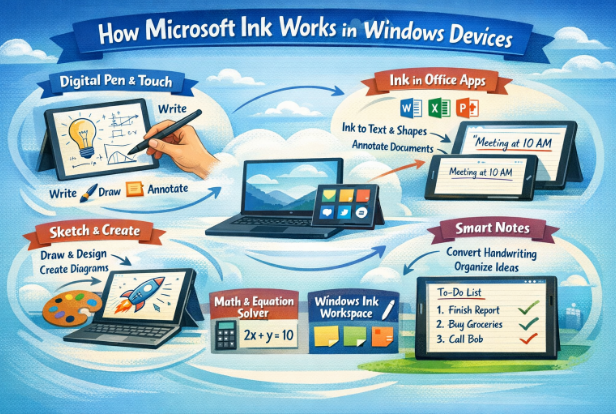
Windows Ink Workspace is the control center for digital sketching tools. It allows quick access to Microsoft Ink features on pen-enabled Windows devices. When you use a Microsoft Surface pen support stylus, you can open Sticky Notes, Whiteboard, and annotation tools instantly. https //www.microsoft.com /ink The workspace is designed for speed, letting you focus on writing or drawing rather than navigating menus.
Pen input Windows uses palm rejection technology and pressure sensitivity stylus to make your strokes precise. For instance, you can write in Word, draw in Excel, or create diagrams in Microsoft Whiteboard collaboration. These features ensure that your notes and sketches remain clear and professional. Microsoft Ink also integrates with digital learning tools, making it ideal for students and educators.
Key Features of Microsoft Ink
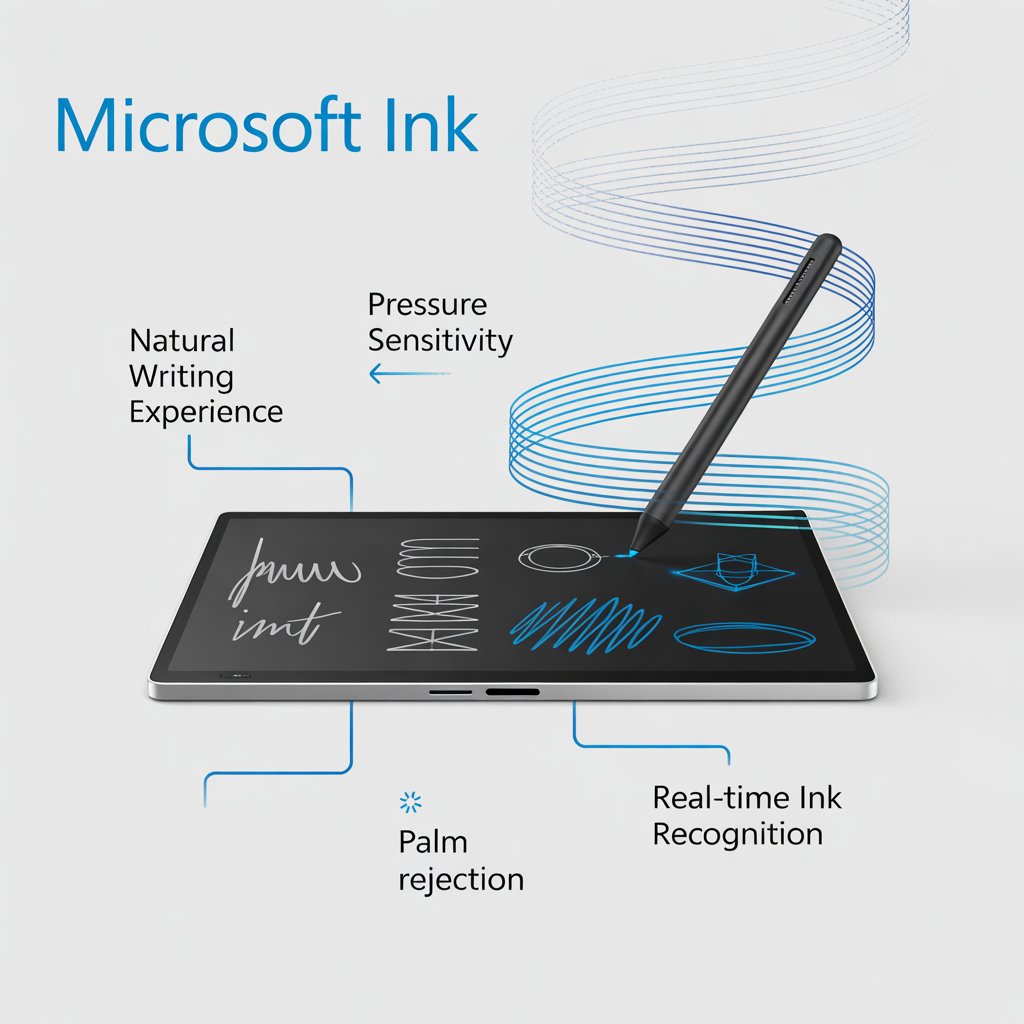
Microsoft Ink includes several standout features. Ink to text conversion allows you to turn handwritten notes into editable text. https //www.microsoft.com /ink The ink to shape feature automatically cleans rough sketches into perfect shapes. Gesture based editing enables scratching out words, circling items to select, and highlighting with simple motions. These digital pen productivity tools make working faster and smoother.
Pressure sensitivity stylus and palm rejection technology give your strokes a natural feel. Digital annotation tools let you mark up PDFs, diagrams, and presentations. Microsoft Office ink features enhance document editing, while real time collaboration whiteboard enables team brainstorming. https //www.microsoft.com /ink For creatives, design sketching software powered by digital creativity tools allows rapid idea exploration without technical obstacles.
Microsoft Ink vs Windows Ink – What’s the Difference?
Windows Ink Workspace is part of Windows that provides access to Microsoft Ink features. Microsoft Ink, however, is the overall digital handwriting system and platform that powers pen input across apps. While Windows Ink is an interface, Microsoft Ink is the engine behind it. https //www.microsoft.com /ink This distinction is important for users looking for pen-based interaction in different tools.
Microsoft inking features like digital sketching tools and gesture based editing work in both environments. https //www.microsoft.com /ink For example, you can start sketching on Whiteboard using pen-enabled Windows devices and continue editing in Word using digital annotation tools. Understanding this difference helps you use stylus support Windows effectively across all applications.
Benefits of Using Microsoft Ink for Productivity
Microsoft Ink improves productivity by allowing natural note-taking and visual communication. Digital note taking Windows helps students retain information better, while professionals can annotate documents with professional annotation workflow features. Teams can collaborate in real time using real time collaboration whiteboard, reducing errors and misunderstandings.
Digital pen productivity tools also support multitasking. You can draw diagrams in PowerPoint while taking notes in Word. The visual collaboration platform ensures that feedback is immediate and clear. Using Microsoft Office ink features alongside cloud synced handwritten notes keeps all your ideas accessible across devices, enhancing workflow efficiency.
Microsoft Ink in Office Apps and Collaboration Tools
Microsoft Office ink features bring digital handwriting tools into Word, Excel, and PowerPoint. In Word, you can handwrite comments or convert notes with ink to text conversion. PowerPoint allows live slide annotations, while Excel supports data visualization with digital annotation tools.
Collaboration improves with Microsoft Whiteboard collaboration, where team members can brainstorm together. Visual collaboration platform features allow sketches, diagrams, and ideas to be shared instantly. For educators, educational digital note taking becomes interactive, letting teachers annotate lessons live while students take cloud synced handwritten notes.
Devices and Stylus Compatibility with Microsoft Ink
The best experience comes from Microsoft Surface pen support and other stylus compatible devices. Devices like Surface Pro, 2-in-1 Windows laptops, and touchscreen PCs offer pressure sensitivity stylus and palm rejection technology. These features ensure digital handwriting tools work naturally.
Using pen-enabled Windows devices with Microsoft Ink ensures your notes, sketches, and diagrams are precise. Stylus support Windows also extends to certain third-party tablets. When paired with digital note taking Windows apps, your workflow becomes seamless, whether for school, work, or creative projects.
Common Issues with Microsoft Ink and How to Fix Them
Sometimes digital sketching tools may lag or fail to recognize strokes. Issues like misalignment, delayed response, or workspace glitches are common. Restarting pen-enabled Windows devices or updating drivers often fixes the problem. Gesture based editing might not work correctly if the pen tip is dirty or unsupported.
Users also face problems with Microsoft Office ink features not syncing. Enabling cloud synced handwritten notes and ensuring the digital pen productivity tools are up to date can help. In some cases, adjusting stylus compatible devices settings or calibrating the screen resolves handwriting errors.
Is https //www.microsoft.com /ink Safe to Use? Security and Privacy Explained
Microsoft Ink operates within Windows security protocols. Pen-enabled Windows devices encrypt data, and cloud synced handwritten notes are protected through Microsoft accounts. Enterprises can enforce compliance, ensuring professional annotation workflow remains secure.
Privacy settings let you control what is shared or stored. Using digital annotation tools in education or work is safe because Microsoft applies robust security measures. Digital pen productivity tools and AI powered handwriting recognition respect privacy while improving your workflow efficiency.
Future of Microsoft Ink and Digital Writing Technology
The future of Microsoft Ink focuses on AI powered handwriting recognition and smarter digital learning tools. Handwritten notes can become actionable, searchable data with digital annotation tools. Collaboration tools will integrate deeper with visual collaboration platform features, enhancing teamwork in education and business.
Developers are improving digital creativity tools for designers, while stylus compatible devices will support more advanced pressure sensitivity stylus and gesture based editing options. The combination of Windows pen computing and digital handwriting tools ensures that pen-based interaction continues to grow as a natural and essential part of modern workflows.
Table: Microsoft Ink vs Windows Ink Features
| Feature | Microsoft Ink | Windows Ink Workspace |
| Pen Input | Yes | Yes |
| Gesture Editing | Yes | Limited |
| Ink to Text | Yes | Yes |
| Office Integration | Full | Partial |
| Whiteboard Collaboration | Full | Full |
| Device Compatibility | Surface & Other Stylus | Surface & Touch Devices |
FQAs
What is https //www.microsoft.com /ink?
A: It is Microsoft’s official resource explaining digital handwriting tools, pen-based interaction, and how Microsoft Ink works across Windows devices and apps.
Is https //www.microsoft.com /ink safe to use?
A: Yes, it follows Windows security protocols and protects your cloud synced handwritten notes while supporting digital annotation tools.
Who can use https //www.microsoft.com /ink?
A: Students, educators, professionals, and creatives can use it on pen-enabled Windows devices for digital note taking Windows and real time collaboration whiteboard.
What devices are compatible with https //www.microsoft.com /ink?
A: Devices like Microsoft Surface, 2-in-1 Windows laptops, and other stylus compatible devices fully support Microsoft digital pen support.
Can I convert handwriting to text using https //www.microsoft.com /ink?
A: Yes, the platform supports ink to text conversion and ink to shape feature for smooth digital handwriting tools integration.
Conclusion
Microsoft Ink is a complete digital handwriting system that transforms pen-based interaction across Windows devices. From digital note taking Windows to real time collaboration whiteboard, it improves creativity, productivity, and learning or professional projects. Explore https //www.microsoft.com/ink today to unlock the full potential of Windows pen computing.