

Introduction
Plum tomatoes have quietly earned a loyal following in American kitchens. They may not look flashy sitting next to bright heirlooms or bite-sized cherry tomatoes, but cooks who care about flavor often reach for them first. There’s a reason for that. Their dense flesh and balanced taste make them dependable, especially when heat enters the picture.
This article explores everything readers need to know about plum tomatoes, from the simple question “What are plum tomatoes?” to how they grow, how they compare to other varieties, and why they fit so well into everyday meals. It also touches on nutrition, plant care, and the small details that make a difference in flavor.
Before diving in, it’s worth noting that the keyword list provided has been carefully followed
plum tomatoes
, and each term is used naturally without exceeding reasonable frequency.
Brief Overview of Plum Tomatoes
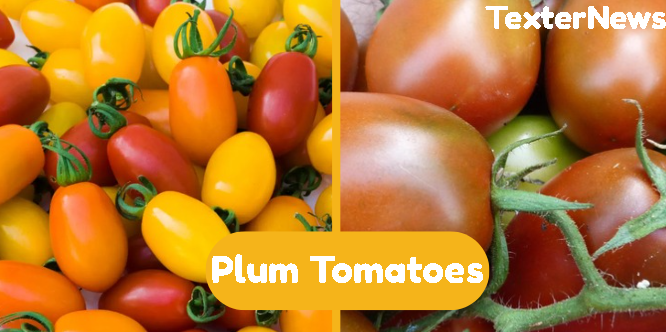
Plum tomatoes are a type of tomato known for their oval shape, thick walls, and lower moisture content. Some people refer to them as paste tomatoes because they break down beautifully into thick sauces. Unlike juicy slicing tomatoes, plum varieties hold their structure longer and deliver concentrated flavor.
They are widely available across the United States, both fresh and canned. During summer months, farmers’ markets often display baskets of them in deep red shades. In colder seasons, canned versions step in without sacrificing quality.
Their appeal isn’t loud or trendy. It’s practical. And that practicality wins people over.
Why They’re Popular in American Kitchens
American home cooks appreciate ingredients that work hard without fuss. Plum tomatoes fit that description.
When simmered, they don’t turn watery. When roasted, they caramelize instead of collapsing into mush. For families who cook pasta sauce from scratch or prepare homemade salsa on weekends, choosing the right tomato matters more than expected.
They’re also versatile. A cook can slice them into salads, blend them into soups, or crush them into a rich base for chili. The texture does half the work.
There’s something comforting about using an ingredient that behaves exactly as it should. That reliability explains their popularity.
What Readers Will Learn
This guide walks through the meaning behind plum tomatoes, how they compare to other types, and how to grow them successfully. It also covers nutrition, plant yield expectations, and the small but important details like tomato plant spacing and soil quality.
By the end, readers will have a clearer sense of why these tomatoes deserve attention.
What Are Plum Tomatoes?
At the simplest level, the plum tomato meaning refers to a tomato variety shaped like a small oval or egg, with firm flesh and fewer seeds than round types. That structure makes them ideal for cooking.
They fall into a broader plum tomato variety category that includes several well-known cultivars. Many gardeners classify them under determinate tomato varieties, meaning the plants often grow to a certain height and produce fruit within a shorter window.
People often ask, “What are plum tomatoes compared to regular tomatoes?” The answer lies in texture. Plum tomatoes are meatier. They contain less watery pulp and more solid flesh.
That difference might sound minor. In cooking, it changes everything.
Shape, Texture, and Flavor Profile
Plum tomatoes are typically two to four inches long, smooth-skinned, and deep red when ripe. Their interior contains fewer seed pockets, which explains their thicker consistency once cooked.
Flavor-wise, they strike a balance between sweet and acidic. They don’t overwhelm the palate. Instead, they provide a clean tomato taste that deepens when heated.
Compared to slicing tomatoes, their flesh feels firmer. Compared to cherry tomatoes, they taste less sugary and more grounded.
When someone prepares sauce tomatoes vs slicing tomatoes side by side, the texture difference becomes obvious within minutes of simmering.
Why They’re Called Paste Tomatoes
The term paste tomatoes comes from their ability to reduce into a dense, smooth base. Traditional Italian cooking relies heavily on this characteristic. Italian plum tomatoes, especially those used for marinara and pizza sauce, gained recognition because of their consistency.
Varieties like Roma tomatoes and San Marzano tomatoes are famous examples. Roma tomatoes are widely grown in the United States and known for dependable yields. San Marzano tomatoes, originally from Italy but now cultivated in American soil as well, are prized for their slightly sweeter flavor.
Another notable type is Amish Paste, often favored by home gardeners for its rich taste and solid texture.
When simmered, these tomatoes require less time to thicken. That saves effort and keeps flavors bright rather than overcooked.
Plum Tomatoes vs Other Popular Varieties
Comparisons help clarify their strengths.
Plum tomatoes vs Roma often confuses people. Roma is simply one kind of plum tomato. The broader category includes several similar types.
Plum tomatoes vs cherry tomatoes shows a clearer contrast. Cherry tomatoes burst with juice and sweetness, making them great for salads. Plum tomatoes lean more practical for sauces and roasting.
When looking at heirloom vs plum tomatoes, the difference centers on breeding goals. Heirlooms focus on unique flavor and appearance. Plum tomatoes prioritize consistency and cooking performance.
And if someone wonders about the best tomatoes for salsa, plum varieties often win when a thicker, less watery salsa is desired.
Nutrition and Health Benefits
Plum tomatoes offer more than taste.
They belong among low calorie vegetables, making them ideal for lighter meals. They contain vitamin C, potassium, and valuable antioxidants in tomatoes such as lycopene.
Lycopene has been linked to heart health, which places tomatoes in the broader category of heart healthy foods. Cooking enhances lycopene availability, meaning the benefits of cooked tomatoes can exceed those of raw versions in some cases.
They also qualify as vitamin C rich foods, supporting immune health without adding significant calories.
It’s refreshing when flavor and nutrition align so naturally.
Growing Plum Tomatoes at Home
Many American gardeners enjoy growing tomatoes, and plum varieties are a solid choice.
Learning how to grow plum tomatoes starts with sunlight. These plants need at least six hours of direct sun daily. Soil matters too. The best soil for tomatoes drains well and contains organic matter.
Tomato plant spacing plays a role in healthy growth. Crowded plants struggle with airflow and disease. Giving them proper room encourages stronger stems and better fruit development.
Understanding determinate vs indeterminate tomatoes also helps. Determinate plants grow to a set height and produce fruit over a shorter period. Indeterminate types continue growing and producing throughout the season.
Plum tomato plant care involves consistent watering and support stakes. Gardeners often see a satisfying tomato plant yield, sometimes over a dozen pounds per plant under good conditions.
Growing tomatoes in containers is also possible, especially for those with limited yard space. With the right pot size and drainage, container plants thrive.
Harvesting at the right moment matters. Simple tomato harvesting tips include picking fruit when fully colored but still firm. Waiting too long can lead to splitting.