

You might not think about it very often. It’s just there, tucked away under the roof’s edge, quietly doing its job year after year. But that unassuming part of your house, the soffit, plays a surprisingly important role in keeping your home healthy, comfortable, and looking good. Think of it as the silent guardian of your attic and your exterior walls. It’s one of those things you probably don’t notice until there’s a problem—like peeling paint, unwanted critters, or a stuffy upstairs bedroom. That’s when you start paying attention to things like soffit damage repair or maybe even a full soffit replacement.
Whether you’re building a new home, giving your current one a facelift, or just trying to figure out why your energy bills are so high, understanding this part of your house is a smart move. From the classic look of wood to the low-maintenance appeal of aluminum or vinyl, there’s a lot more to this architectural feature than meets the eye. So, let’s pull back the curtain and give this home exterior hero the attention it deserves.
What Exactly Is a Soffit?
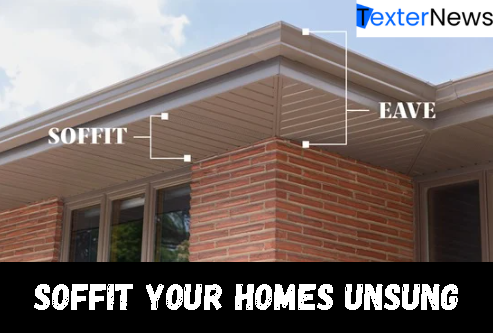
In the simplest terms, the is the finished underside of your roof overhang. If you stand next to your house and look up, you’re looking at the. It’s the horizontal surface that bridges the gap between the siding on your wall and the outer edge of your roof.
Its job is twofold. First, it provides a nice, clean finish. Without it, you’d be looking at the raw underside of your roof decking and the rafters—not a great look. House design has actually come a long way, and today it can add a real touch of polish to your home’s exterior.
But its second job is arguably more important: protection. The exterior acts as a shield, sealing the gap under the eaves and preventing weather, moisture, and all sorts of pests (like birds, squirrels, and wasps) from getting into your roof structure. It’s a critical part of the soffit system that works in tandem with the fascia—the vertical board that the gutters are often attached to. So, when people talk about and fascia, they’re referring to this essential team that protects the edge of your roof.
A Closer Look at Soffit Materials
Choosing the right material for your home is a big decision. It affects not just the look but also how much time and money you’ll spend on soffit maintenance down the road. Here’s a rundown of the most common options:
- Vinyl Soffit: This is a hugely popular choice, and for good reason. It’s affordable, lightweight, and won’t rot or corrode. Vinyl soffit is also a dream for DIYers because it’s relatively easy to cut and install. It comes in a variety of colors, so you can usually find one that matches your trim. The main downside? It can become brittle in extreme cold and might warp or sag in intense heat if not installed with the proper expansion gaps.
- Aluminum Soffit: Another fantastic low-maintenance option. Aluminum soffit is strong, durable, and resists rust. Like vinyl, it won’t rot and is available in a wide range of pre-finished colors. It’s often installed in long, continuous sheets, which gives a very clean, seamless look. On the flip side, it dents more easily than vinyl. A stray ladder or a wayward baseball can leave a permanent mark. If you’re looking at installation cost, aluminum can sometimes be a bit pricier than vinyl.
- Wood For a truly classic and warm aesthetic, nothing beats wood. It offers a timeless look that many homeowners love, especially on older or craftsman-style homes. Wood can be painted any color you like, offering maximum design flexibility. However, it demands the most upkeep. It needs to be painted or stained regularly to protect it from moisture, rot, and insect damage. If you notice damage on a wood surface, it often requires prompt attention to prevent it from spreading. You might find yourself needing a repair for a rotted section, which can be more involved than with other materials.
Beyond these three, you’ll also find options like fiber cement and various composite materials, which aim to mimic the look of wood with greater durability. When you’re planning a project, it’s smart to talk to a good contractor who can walk you through the pros and cons for your specific climate and home style.
Why Ventilation is a Big Deal
Now, let’s get to one of the most critical functions of your soffit: breathing. A ventilated soffit isn’t just a nice feature; it’s a necessity for a healthy roof and home. You’ll often see it with small holes or slots—those are the soffit air vents.
Here’s how it works: Your attic needs constant airflow. Heat builds up there, especially in the summer, and moisture can accumulate in the winter. A proper ventilation system uses your soffit as the intake point. Cool, fresh air is drawn in through the soffit vents and flows up into the attic. This air then pushes the hot, stale, and moist air out through exhaust vents located at or near the roof’s peak, like a ridge vent.
Why does this matter? Without proper soffit ventilation, you’re asking for trouble. In winter, trapped moisture can lead to ice dams and mold growth. In summer, the trapped heat can bake your shingles from underneath, shortening their lifespan, and make your air conditioner work overtime. Good airflow, powered by your soffit, helps regulate temperature and moisture, protecting your roof structure and your energy bills. So, when you’re considering things like soffit panels or soffit boards, always make sure they are part of a complete ventilation strategy.
When Things Go Wrong: Repair and Maintenance
Like any part of your home, soffits need a little TLC. Keeping an eye on them can save you from much bigger headaches later. Regular soffit cleaning is a great start. A simple wash with a garden hose or a soft brush can remove dirt, cobwebs, and pollen that can trap moisture.
But what about when things go beyond a simple cleaning? Here are some common signs that you need to take action:
- Peeling Paint or Rot: This is a classic sign of moisture problems, often on wood soffit. It might mean water is getting behind the soffit boards.
- Sagging or Warping: This can happen with vinyl soffit that has gotten too hot or wasn’t installed correctly. It can also indicate that the material is old and failing.
- Visible Holes or Gaps: These are open invitations for birds, bats, and insects. You might need to fix soffit damage like this to keep pests out.
- Stains or Water Marks: This suggests that water is getting into the soffit system, possibly from a leaking roof or ice dams.
For minor issues, a simple soffit repair might do the trick. A contractor might be able to replace a single damaged soffit panel or secure a loose section. However, if the damage is widespread, or if the material is just old and tired, a full soffit replacement is often the best long-term solution. It’s an investment in your home, but it pays off in improved looks, better protection, and enhanced energy efficiency. While the soffit installation cost can vary based on the material and the size of your home, it’s generally a worthwhile project that adds real value.
Ultimately, your home’s soffit is a small detail with a big job. It’s the finish work that makes everything look neat, but more importantly, it’s the breathing apparatus for your roof and a barrier against the elements. So, next time you’re outside, take a moment to appreciate it. Give it a glance, make sure it’s doing its job, and you’ll be helping to protect your biggest investment for years to come.



Pingback: Stacey Bendet Net Worth 2026: How the Alice + Olivia Founder Built Her Fashion Empire Fortune -