

Introduction
There’s something magical about a simple taco topped with nothing more than fresh, crumbly cheese. Or a quesadilla where the filling stretches for what feels like miles when you take that first bite. Mexican cuisine has this wonderful way of taking humble ingredients and turning them into something extraordinary, and cheese plays a starring role in that story.
Here’s the thing though—wander down the dairy aisle at your local grocery store and you’ll spot bags labeled “Mexican blend” or “taco cheese” without giving it much thought. They get grabbed by the handful, tossed into carts, and end up in dishes where they sort of work, but don’t truly shine. The problem? Most home cooks don’t realize there’s a whole world of Mexican cheeses out there, each with its own personality and purpose.
This guide is here to change that. Whether you’re looking for the perfect cheese for enchiladas, trying to figure out what to use for chiles rellenos, or just curious about what makes Queso Fresco different from Cotija, you’ve come to the right place. From those soft, crumbly fresh cheeses to the gooey, melting varieties that make queso fundido so irresistible, we’re covering it all.
Before we dive in, it’s worth knowing that Mexican cheese has roots that go back centuries. When Spanish settlers arrived, they brought dairy farming traditions with them—cows and goats started appearing across the landscape. Over time, those European techniques blended with indigenous culinary practices, and something entirely new emerged. That fusion is still evolving today, and it’s given us the incredible variety of cheeses we get to enjoy.
What Makes Mexican Cheese Unique?
If you’ve spent much time cooking with European cheeses, Mexican cheeses might catch you off guard at first. They operate a little differently, and that’s exactly what makes them so special.
Texture plays a huge role here. Some Mexican cheeses are delightfully crumbly—they fall apart in the most satisfying way when you press them between your fingers. Others are stringy and elastic, perfect for stretching across a hot quesadilla. Then there are the creamy ones that spread like a dream. This variety isn’t accidental; each texture serves a specific purpose in the kitchen.
Fresh cheeses are where it all begins. These are young cheeses, typically mild and milky, with a softness that feels almost delicate. They haven’t been aged, so their flavors are gentle and straightforward. Think of Queso Fresco or Panela cheese—they’re like a blank canvas that complements other ingredients without overpowering them.
Then you’ve got the aged cheeses. These have been given time to develop, and time changes things. They become saltier, sharper, more assertive. Cotija is the perfect example—it’s aged until it develops that bold, salty personality that makes you sit up and take notice.
Here’s something you’ll notice pretty quickly: most Mexican cheeses are white. Not yellow, not orange—white. And they’re typically made from cow or goat milk, which gives them that clean, fresh taste. The white color isn’t just aesthetic; it tells you something about how the cheese was made and what you can expect from it.
The Essential Mexican Cheeses You Need to Know
Queso Fresco
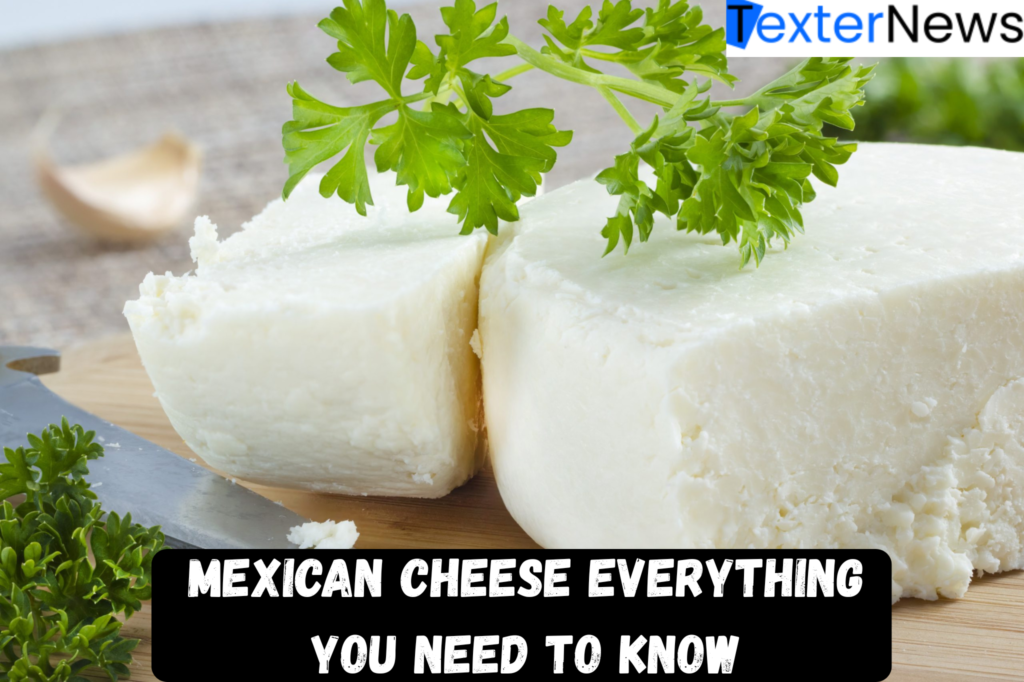
Let’s start with the one you’ll encounter most often. Queso Fresco translates to “fresh cheese,” and that’s exactly what it is. It’s soft, crumbly, and feels almost like a firmer version of feta, though much milder in taste.
The flavor is gentle—milky with just a whisper of salt. Nothing aggressive here. It’s the kind of cheese that lets other ingredients take center stage while quietly doing its job in the background. And its job? Topping just about everything.
Sprinkle it over tacos and watch it contrast beautifully with the warm meat and spicy salsa. Let it fall over enchiladas right as they come out of the oven. Add it to refried beans for that final touch that makes people ask what you did differently. Queso Fresco doesn’t melt much, and that’s okay—it’s meant to be scattered over dishes like edible confetti.
Cotija
If Queso Fresco is the quiet type, Cotija is the one that demands attention. People call it the “Parmesan of Mexico,” and once you taste it, you’ll understand why. It’s hard, dry, and crumbly, with a salty, tangy kick that wakes up your taste buds.
Named after the town of Cotija in Michoacán, this cheese gets its personality from aging. The longer it sits, the more intense it becomes. Younger Cotija is still salty but has more moisture. Aged Cotija is practically a seasoning you can crumble.
Walk through any market in Mexico during summer and you’ll spot vendors slathering corn on the cob with mayo, rolling it in Cotija, and squeezing lime over everything. That’s elote, and it wouldn’t be the same without that salty cheese contrast. But Cotija doesn’t stop there—try it on salads for a briny pop, or grate it over pasta when you want something a little different from the usual Parmesan.
Oaxaca Cheese (Quesillo)
Now we’re getting to the fun one. Oaxaca cheese, also called Quesillo, looks like nothing else in the dairy case. It comes wrapped in beautiful balls or braids of stringy, stretchy cheese that peels apart in ribbons.
The texture is what makes people fall in love with it. Think mozzarella, but with a slightly firmer pull and a buttery, milky flavor that’s hard to resist. When it melts, magic happens. It becomes gloriously gooey without turning into a greasy mess.
This is the cheese you want for quesadillas. Not the ones made with flour tortillas and pre-shredded blend—real quesadillas where the tortilla gets golden and crisp while the inside turns into molten deliciousness. It’s also essential for tlayudas (Oaxacan pizzas) and stuffed inside chiles rellenos. If a recipe calls for melted, stretchy cheese, Oaxaca is probably the right choice.
Queso Panela
Here’s a cheese that marches to its own drummer. Queso Panela doesn’t melt. You heard that right—apply heat all you want, and it holds its shape like a champ. Some people find this frustrating, but once you understand it, you realize it’s actually a superpower.
The texture is firm and almost squeaky when you bite into it, similar to a fresh halloumi or paneer. The flavor is incredibly mild—some might even say plain. But that mildness is intentional because Panela cheese shines in situations where melting would be a problem.
Throw it on the grill and watch it develop beautiful char marks while staying intact. Pan-fry it until golden brown on both sides. Slice it cold into salads where it adds substance without overwhelming the greens. It’s also wonderful eaten raw with a drizzle of honey or a sprinkle of oregano. For anyone looking for a lower fat Mexican cheese option, Panela is often a good choice since it’s typically made with skim milk.
Queso Asadero
If melting is what you’re after, Queso Asadero is your new best friend. This semi-soft cheese turns silky smooth when heated, with none of the graininess that can plague lesser melting cheeses. The flavor is buttery and mild—comforting without being boring.
Asadero translates to “roaster” or “suitable for roasting,” which tells you exactly how Mexicans traditionally use it. It’s the star of queso fundido, that irresistible dish of melted cheese served with tortillas for dipping. Throw in some chorizo, maybe some roasted poblano peppers, and you’ve got a party appetizer that disappears in minutes.
It’s also fantastic on pizza, stirred into soups, or layered into lasagnas when you want something a little different from the usual Italian cheeses. The way it stretches and pulls is deeply satisfying.
Manchego (Mexican Style)
Let’s clear something up right away. Spanish Manchego is famous worldwide—it’s made from sheep’s milk in La Mancha and has a distinctive flavor and pattern on its rind. Mexican Manchego is something else entirely.
In Mexico, Manchego typically refers to a cow’s milk cheese that’s semi-firm and mild, with a slightly nutty undertone. It melts reasonably well and has a pleasant, approachable flavor that makes it popular for everyday eating. You’ll find it sliced in sandwiches, cubed for snacks, or melted over simple dishes when people want something familiar.
Purists might raise an eyebrow at the name difference, but the Mexican version has carved out its own identity. It’s accessible, versatile, and widely loved across the country.
Requesón
If you’ve ever had ricotta, Requesón will feel familiar. It’s creamy, spreadable, and delicate, with a texture that falls somewhere between a soft cheese and a thick cream. Made from the whey left over after producing other cheeses, it’s a wonderful example of Mexican cooking’s resourcefulness.
The flavor is subtle and milky, making it perfect for both savory and sweet applications. Stuffed into chiles rellenos, it adds a creamy counterpoint to the spicy exterior. Spooned into empanadas, it creates a filling that’s rich without being heavy. And honestly? Spread it on warm toast with a drizzle of honey for breakfast and you’ll wonder why you don’t eat it every day.
Mexican Cheese vs. “American” Mexican Cheese
Let’s address the elephant in the room. Those bags of pre-shredded “Mexican cheese” sitting in the dairy case—what’s the deal with them?
They’re convenient, sure. When you’re rushing through the store on a Tuesday night, grabbing a bag of shredded “taco cheese” feels like a win. And for some quick weeknight meals, they get the job done. But they’re not quite the real thing.
Here’s what’s usually in those bags: a blend of Monterey Jack, cheddar, and maybe some Asadero if you’re lucky. They’re fine cheeses on their own, but they’re not the traditional Mexican cheeses we’ve been talking about. And that coating you sometimes notice on the shreds? That’s cellulose, added to prevent clumping. It keeps the cheese from sticking together in the bag, but it also means the cheese doesn’t melt quite the same way.
Authentic Oaxaca or Asadero will melt into something smoother, stretchier, and more luxurious. They don’t need anti-caking agents because they’re sold in blocks or balls, meant to be shredded or sliced right before using.
So when should you use the bagged blends? Honestly, when convenience matters more than authenticity. For a quick nacho night with the kids, nobody’s judging. For a potluck where you need to feed a crowd fast, go for it.
But when you’re making something special—chiles rellenos for a dinner party, or queso fundido for a gathering with friends—spring for the authentic cheeses. The difference is noticeable, and your cooking will taste more genuine because of it.
How to Choose the Right Cheese for Your Dish
Standing in the cheese aisle can feel overwhelming with all these options. Here’s a quick cheat sheet to help you grab the right one:
For tacos: Reach for Queso Fresco or Cotija. Crumbled over the top just before serving, they add that final touch that makes tacos taste like they came from a taqueria.
For enchiladas: A combination works beautifully here. Use Queso Fresco inside for creaminess, and melt Asadero or Oaxaca over the top for that glorious, bubbly finish.
For quesadillas: Oaxaca is the traditional choice. It stretches perfectly and tastes wonderfully mild. Asadero also works if Oaxaca is hard to find.
For nachos: This is where a blend makes sense. Start with Asadero for melting power, add some Monterey Jack for creaminess, and finish with crumbled Cotija on top after they come out of the oven.
For chiles rellenos: The classic filling combines Requesón with maybe some Asadero. The creaminess complements the roasted poblano pepper beautifully.
For elote (street corn): Cotija, without question. That salty, crumbly contrast against sweet corn and creamy mayo is what makes this street food so addictive.
For refried beans: Queso Fresco sprinkled on top right before serving. It softens slightly from the heat but maintains its texture, adding little pockets of creamy goodness.
For tamales: Some regions stuff tamales with strips of Asadero or Queso Fresco. The cheese melts into the masa as they steam, creating little surprises throughout.
Where to Buy Mexican Cheese
Finding these cheeses used to require a trip to a specialty market, but times have changed. Most well-stocked grocery stores now carry a selection in their international aisle or specialty cheese section.
Look for brands like Cacique, El Mexicano, or Quesos La Ricura—they’re widely distributed and consistently good. If your local store has a limited selection, check the dairy case near the specialty cheeses rather than the pre-shredded section.
For the best variety, seek out a Mexican market or tienda in your area. These smaller shops often carry cheeses you won’t find anywhere else, along with knowledgeable staff who can offer suggestions. Plus, you’ll probably discover other ingredients worth exploring while you’re there.
Online shopping has also made authentic Mexican cheeses more accessible. Many specialty food websites ship nationwide, though you’ll want to factor in shipping costs and make sure the cheese will arrive promptly.
How to Store Mexican Cheese Properly
Fresh cheeses like Queso Fresco and Panela have higher moisture content, which means they spoil faster than aged varieties. Keep them in the crisper drawer of your refrigerator and plan to use them within about a week of opening.
Wrap them in wax paper or cheese paper rather than plastic wrap if possible—this lets the cheese breathe while preventing it from drying out. If you must use plastic, change the wrapping every couple of days to prevent moisture buildup.
Aged cheeses like Cotija last much longer. Keep them wrapped tightly and they’ll stay good for several weeks. If you spot mold on a hard cheese, you can cut it away—the rest is usually fine. With fresh cheeses though, mold means it’s time to toss them.
Can you freeze Mexican cheese? Melting cheeses like Asadero and Oaxaca freeze reasonably well. Shred them first, spread the shreds on a baking sheet to freeze individually, then transfer to a freezer bag. They’ll be slightly more crumbly when thawed but still work for cooking. Fresh cheeses don’t freeze well—their texture becomes grainy and unpleasant.
Frequently Asked Questions
What is the white Mexican cheese at restaurants?
That depends on what dish you’re ordering. If you’re getting tacos with white crumbles on top, that’s Queso Fresco. If you’re dipping chips into warm, melted cheese, that’s usually queso dip made with Asadero or a similar melting cheese.
What is the stringy cheese on quesadillas?
That’s Oaxaca cheese, also called Quesillo. Its stringy texture when melted is what makes it perfect for quesadillas.
Can I substitute feta for Cotija?
In a pinch, yes. Feta is saltier and more tangy, so you might want to rinse it briefly to remove some salt. The texture is similar though, so it works as a substitute.
Is Mexican cheese spicy?
Generally, no. The cheeses themselves are mild—any heat comes from added ingredients like peppers in dishes that include cheese. So queso dip can be spicy if it has jalapeños, but the plain cheese won’t be.
What’s a good substitute for Cotija cheese if I can’t find it?
Feta is the closest option. Parmesan can work in some dishes but has a different texture. For elote, some people use a mixture of Parmesan and feta to approximate Cotija’s salty, crumbly character.
Where can I find vegan Mexican cheese?
Many brands now make dairy-free versions of Mexican-style cheeses. Look for options labeled vegan Mexican cheese or dairy free queso in natural food stores or the specialty diet section of larger supermarkets. They won’t taste exactly the same, but they can satisfy cravings for those avoiding dairy.
Is there a low fat Mexican cheese option?
Panela cheese is often lower in fat since it’s commonly made with skim milk. Queso Fresco also tends to be lower in fat than aged cheeses. For cooking, you can sometimes use a combination of low fat options with small amounts of full-flavored cheeses to keep the taste while reducing overall fat.
What’s the difference between Queso Fresco and Cotija?
Age and moisture content mainly. Queso Fresco is young and moist, with a mild flavor. Cotija is aged until it becomes dry, hard, and sharply salty. They serve different purposes in cooking—Queso Fresco for fresh, creamy toppings and Cotija for bold, salty finishing touches.
Wrapping This Up
Mexican cheese isn’t just one thing—it’s a whole category worth exploring. From the crumbly freshness of Queso Fresco to the salty punch of Cotija, from the stretchy magic of Oaxaca to the non-melting reliability of Panela, each variety brings something different to the table.
Next time you’re cooking Mexican food at home, consider stepping away from the pre-shredded blends. Pick up a piece of authentic cheese instead. Taste it on its own, then try it in your cooking. Notice how it behaves differently, how it makes your dishes taste more like the ones you remember from restaurants.
Cooking with these cheeses connects you to traditions that have evolved over centuries. It’s a small change that makes a real difference. And honestly? It’s pretty fun to have an excuse to eat more cheese while you figure out which ones you like best.