

Introduction
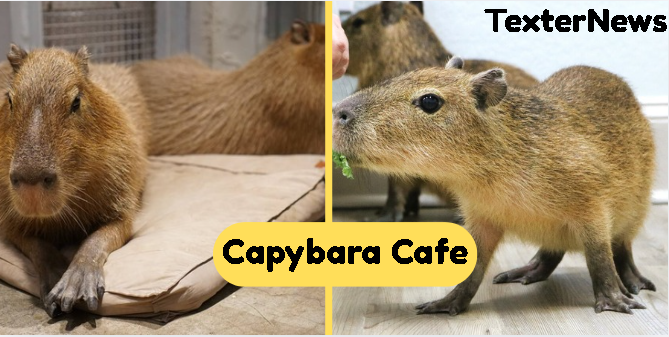
There’s something oddly comforting about the idea of sipping a warm drink while a gentle capybara lounges nearby. That simple image pretty much captures the charm of a capybara cafe. These spaces blend the relaxed atmosphere of a cozy café with the calm, social nature of one of the world’s most easygoing animals.
Over the past few years, the rise of the capybara café concept has felt less like a trend and more like a cultural curiosity that people genuinely want to experience. Instead of just grabbing a latte and leaving, visitors stay longer, interact more, and leave with a story rather than just a receipt.
Capybaras themselves play a big role in this popularity. Their calm personality, gentle behavior, and almost meditative presence make them surprisingly suited to café environments. In themed cafés, they aren’t just animals on display — they become part of the experience. That emotional connection is exactly why interest in the capybara themed cafe scene keeps growing across social media and travel blogs alike.
What Is a Capybara Cafe?
At its core, a capybara animal cafe is a specialty café where guests can enjoy food and drinks while spending time in a supervised environment with capybaras. It sits within the broader concept of animal cafés, which started gaining traction in East Asia before expanding globally. From cat cafés to owl cafés, the idea evolved naturally into more unique concepts, including the capybara coffee shop format.
Unlike a traditional café where the focus is purely on beverages and snacks, these spaces prioritize atmosphere and interaction. Some locations are designed more like a lounge, while others lean toward structured sessions where guests can observe or gently interact with the animals. A capybara petting cafe, for instance, typically offers designated interaction periods so both the animals and visitors remain comfortable.
Operationally, most cafés follow strict routines. Staff members monitor the capybaras’ mood, feeding schedules, and rest time. Guests are usually given a short orientation before entering the animal area, which helps maintain a calm environment. In many cases, a pet capybara cafe also limits the number of visitors per session to prevent stress on the animals.
Safety and supervision policies are not just optional — they’re essential. Reputable cafés set clear boundaries, such as no loud noises, gentle touching only, and supervised feeding. Hygiene protocols are equally important. Visitors often sanitize their hands before and after interaction, and staff closely manage cleanliness in both dining and animal zones. This structured approach helps ensure that the experience remains safe, ethical, and enjoyable for everyone involved.
The Capybara Experience
Walking into a capybara interaction cafe feels different from stepping into a typical themed spot. The energy is softer, quieter, and noticeably more relaxed. Guests don’t just sit and watch; they engage in a slow-paced experience that revolves around observation and gentle connection.
Petting sessions are usually the highlight. During these moments, visitors may sit near the animals while staff guide safe interaction. Because capybaras are naturally calm, many guests describe the experience as unexpectedly soothing. That’s one reason some places even brand themselves as a capybara cuddle cafe, focusing on comfort rather than high-energy entertainment.
Feeding opportunities add another layer of engagement. In a supervised feed capybara cafe setting, guests may be allowed to offer approved snacks while learning about the animals’ diet and habits. It turns a simple visit into something slightly educational without feeling like a formal lesson.
There’s also a visual appeal that can’t be ignored. These cafés are intentionally designed to be warm, aesthetic, and photo-friendly. Natural lighting, earthy interiors, and cozy seating create a setting that feels both modern and inviting. It’s no surprise that many travelers search for a capybara cafe near me just for the photo experience alone.
Beyond the novelty, some visitors report a therapeutic effect. The slow movements and peaceful nature of capybaras create a calming environment, which is why certain locations market themselves as a capybara therapy cafe. While it’s not clinical therapy, the emotional relaxation people feel is very real and often mentioned in reviews.
Popular Capybara Cafés Around the World
Capybara Cafés in Japan
Japan has been a pioneer in animal café culture, and the rise of the capybara cafe Japan scene reflects that perfectly. Many of these cafés focus heavily on animal welfare, structured sessions, and educational interaction. Visitors traveling to major cities often include a visit to a capybara cafe Tokyo location as part of their itinerary because of the country’s reputation for well-managed themed cafés.
Growing Trend in the United States
The concept is slowly gaining traction in the United States, where experiential cafés are becoming more popular. While regulations vary by state, interest in the capybara cafe USA model continues to grow. Some regions are experimenting with hybrid spaces that combine café service with controlled animal interaction zones.
Places like a capybara cafe Florida are especially talked about due to warmer climates that better suit capybara care requirements. Visitors are drawn not only by curiosity but also by the uniqueness of the experience compared to traditional animal attractions.
Emerging Animal Cafés in Thailand
In Thailand, themed cafés are evolving rapidly, and exotic animal concepts are becoming more common. While still emerging, capybara cafés in this region often blend tropical aesthetics with relaxed lounge-style environments. The experience tends to feel more immersive, combining café culture, tourism, and animal interaction in one setting.



Pingback: give away look whatmomfound: trusted family giveaways worth entering -