

Introduction
Some pasta shapes quietly sit on the shelf. Others demand attention the Mafaldine Pasta Guide moment someone sees them. mafaldine belongs in the second category. With its flowing edges and dramatic ribbon-like appearance, it brings personality to the plate before the sauce even touches it.
Unlike plain strands or simple tubes, mafaldine pasta feels expressive. It moves differently in boiling water. It catches sauce in a way that feels almost intentional. There’s something charming about a shape that looks slightly playful but still carries the elegance expected from traditional italian pasta dishes.
Brief Overview of Mafaldine
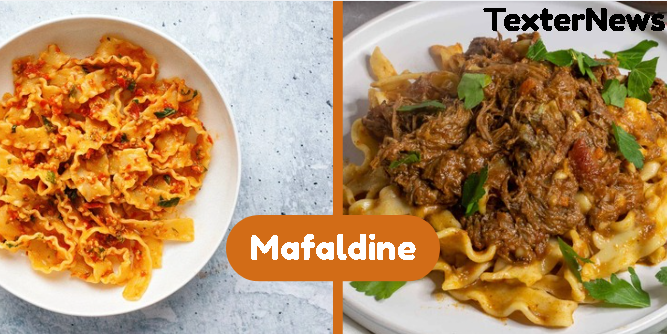
At first glance, mafaldine looks like a long ribbon that someone gently waved along the edges. That subtle ripple gives it texture and structure, which makes it more than just another long flat pasta. It’s visually striking, but it’s also practical in the kitchen.
Because of its shape, it’s often described as ribbon pasta, though that description only tells part of the story. The edges are slightly frilled, giving it the feel of curly pasta noodles without being overly dramatic. It’s delicate, yet sturdy enough to hold up to bold flavors.
And that balance is exactly why it stands out.
Why It Stands Out Among Italian Pasta Shapes
Italy has no shortage of pasta varieties. From thin strands to thick sheets, each shape has a purpose. Mafaldine earns its place by offering both beauty and function.
The signature wavy edge pasta design isn’t just decorative. Those ruffles create tiny pockets that grip sauce. Whether it’s a rich meat-based pasta with sauce or a silky cream blend, the texture ensures flavor clings to every bite.
That’s what makes it memorable. It doesn’t let the sauce slide away. It holds onto it.
In a world full of pasta options, mafaldine quietly proves that small design details can completely change the eating experience.
What Is Mafaldine?
At its core, mafaldine is a type of pasta known for its flat, ribbon-like body and ruffled edges. It’s wider than spaghetti but narrower than some broader ribbon varieties. The structure feels thoughtful, almost artistic.
This shape is sometimes referred to as mafalda pasta, a name that’s often used interchangeably depending on the region or brand. Regardless of the label, the identity remains the same — elegant, textured, and distinctive.
Most commercially available mafaldine is made from durum wheat pasta, which gives it firmness and that satisfying al dente bite when cooked properly. The use of semolina pasta dough ensures durability, meaning it won’t fall apart easily even when paired with heavier sauces.
For those who enjoy kitchen projects, it can also be crafted as homemade pasta. Rolling and cutting the dough into long ribbons, then shaping the edges, adds a personal touch. It takes patience, but the result feels rewarding.
In practical terms, mafaldine works beautifully in a wide range of meals. It fits seamlessly into comforting pasta recipe traditions while also adapting well to modern interpretations. Whether served simply with olive oil and herbs or dressed in layers of flavor, it always brings visual appeal to the dish.
Origin and History
Like many beloved pasta shapes, mafaldine traces its roots back to Italy. Its design reflects the regional craftsmanship that defines so many classic italian pasta dishes.
Historically, variations of mafaldine were associated with southern Italy, where ribbon-shaped pastas were common in family cooking. The shape was often linked to celebratory meals — the kind prepared slowly, with intention.
Over time, mafaldine traveled beyond regional kitchens and found its place in global cuisine. Today, it appears in restaurants and homes alike, appreciated not only for its appearance but for the way it enhances flavor.
Its continued presence speaks to something deeper than trend. It represents tradition meeting practicality. A shape created with care, still relevant decades later.
And perhaps that’s what makes mafaldine special. It doesn’t rely on novelty. It relies on thoughtful design and timeless taste.